Smart Glasses Designed for Cycling Navigation
Smart glasses designed for cycling navigation are changing how cyclists move through roads, trails, and cities. Instead of looking down at a phone or handlebar screen, you see directions right in your line of sight. That means fewer distractions and safer rides.
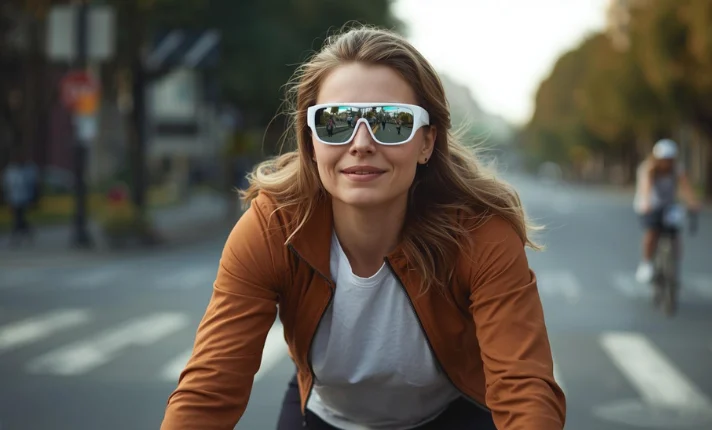
Why Cyclists Need Smart Glasses for Navigation
Cycling looks simple, but navigation can get messy fast.
You’ve probably faced this:
- Stopping repeatedly to check your phone
- Missing turns on unfamiliar routes
- Losing focus in traffic
- Risking safety while glancing down
That’s where smart glasses step in.
They solve a key problem: keeping your eyes on the road while still giving you directions.
Instead of breaking your flow, directions appear in your vision. You stay aware, balanced, and safer.
How Smart Glasses Designed for Cycling Navigation Work
Core Technology Explained
At the heart of smart glasses is a Heads-Up Display (HUD).
This is a small transparent display projected onto the lens. It shows:
- Turn-by-turn directions
- Speed and distance
- Route alerts
Many models also use Augmented Reality (AR). This overlays digital elements on the real world. For example, arrows appear aligned with the road.
Connectivity and Sensors
These glasses don’t work alone. They rely on your phone and built-in sensors:
- Bluetooth connects to your smartphone
- GPS provides real-time location tracking
- Gyroscope and accelerometer detect head movement
- Compass sensor helps with direction accuracy
Your navigation app sends route data to the glasses. The display updates in real time as you ride.
Key Features to Look for in Smart Cycling Glasses
Navigation Accuracy and Real-Time Directions
Accuracy matters more than anything. Look for:
- Fast GPS lock
- Low latency updates
- Reliable rerouting
Battery Life and Power Efficiency
Most smart glasses last:
- 4 to 8 hours for active navigation
- Longer in standby mode
For long rides, battery life is critical.
Display Quality and Visibility in Sunlight
A weak display ruins the experience. You need:
- High brightness (nits level matters)
- Anti-glare coating
- Clear contrast in daylight
Comfort and Fit for Long Rides
You’ll wear them for hours, so:
- Lightweight frame is important
- Adjustable nose pads help
- Balanced weight prevents fatigue
Durability and Weather Resistance
Cycling means exposure. Look for:
- Water resistance (IPX4 or higher)
- Dust protection
- Strong frame material
Voice Control and Gesture Support
Advanced models offer:
- Voice commands for navigation
- Tap or swipe gestures
- Minimal need to touch your phone
Smart Glasses vs Bike Computers vs Smartphones
Here’s a quick comparison:
Smart Glasses
- Hands-free navigation
- Eyes stay on the road
- Limited battery
Bike Computers
- Reliable and accurate
- Larger display
- Requires looking down
Smartphones
- Powerful apps
- Cheap option
- Unsafe while riding
Best choice depends on your style.
- Commuters benefit most from smart glasses
- Long-distance riders may still prefer bike computers
Best Smart Glasses Designed for Cycling Navigation in 2026
High-End Models
- Advanced AR overlays
- Long battery life
- Premium optics
Best for serious cyclists and tech lovers.
Mid-Range Options
- Solid navigation features
- Good comfort and visibility
- Balanced price
Great for regular riders.
Budget-Friendly Choices
- Basic navigation display
- Limited features
- Lower brightness
Good for beginners testing the concept.
Real-World Benefits of Smart Cycling Glasses
Improved Safety and Focus
You don’t need to look away. That alone reduces risk.
Better Route Awareness
You see turns before you reach them.
Performance Tracking Integration
Some models show:
- Speed
- Heart rate
- Distance
All without switching screens.
Limitations and Challenges You Should Know
Let’s be real. These aren’t perfect.
- Battery life is still limited
- Bright sunlight can reduce visibility
- Learning curve for first-time users
- Higher cost compared to traditional gear
Still, most users adjust quickly.
How to Choose the Right Smart Glasses for Your Needs
For Daily Commuters
- Lightweight
- Quick navigation
- Easy controls
For Long-Distance Cyclists
- Strong battery
- Comfortable fit
- Reliable GPS
For Mountain Bikers
- Durable build
- Shock resistance
- Clear display in shadows
For Tech Enthusiasts
- AR features
- App integration
- Customization options
Setup Guide: How to Use Smart Glasses for Cycling Navigation
Pairing with Your Smartphone
- Turn on Bluetooth
- Connect via companion app
Installing Navigation Apps
Use apps like:
- Komoot
- Google Maps
- Strava
Calibrating Display and Controls
Adjust:
- Display position
- Brightness
- Gesture sensitivity
First Ride Tips
- Start with a short route
- Test controls before traffic
- Keep backup navigation ready
Safety Tips When Using Smart Glasses While Cycling
- Keep display minimal
- Avoid too much data on screen
- Stay aware of surroundings
- Follow traffic rules
Smart glasses help, but they don’t replace attention.
Integration with Cycling Apps and Ecosystems
Most smart glasses support popular apps.
You can sync with:
- Strava for performance tracking
- Komoot for route planning
- Google Maps for navigation
Future of Smart Glasses Designed for Cycling Navigation
This space is growing fast.
Expect:
- AI-based route suggestions
- Smarter AR overlays
- Integration with smart bikes
- Longer battery life
In a few years, this could become standard gear.
People Also Ask
Are smart glasses safe for cycling navigation?
Yes, they can improve safety because you keep your eyes forward. But you must avoid overloading the display.
Do smart cycling glasses work without a phone?
Most rely on smartphones for GPS and processing. Some premium models offer limited standalone features.
How accurate is navigation in smart glasses?
Accuracy depends on GPS quality and the app. In most cases, it’s similar to smartphone navigation.
FAQs
Are they worth the investment?
If you cycle often and value safety, yes. For casual riders, it depends on budget.
Can they replace bike computers?
Not fully yet. They are better for navigation, but bike computers still lead in detailed metrics.
Do they work in rain or extreme weather?
Most are water-resistant, not fully waterproof. Check the IP rating before buying.
How long does the battery last on average?
Around 4 to 8 hours with active use. Some models last longer in low-power mode.
Are they suitable for beginners?
Yes, but expect a short learning period. Start simple and build up.
Conclusion: Should You Buy Smart Glasses for Cycling Navigation?
Smart glasses designed for cycling navigation offer a clear advantage in safety and convenience. They keep your focus where it matters most, on the road.
If you ride often, commute daily, or explore new routes, they’re a strong upgrade. If you prefer long endurance rides with heavy data tracking, you might still need a bike computer.
source https://iconiferz.com/smart-glasses-designed-for-cycling-navigation-guide/


Comments
Post a Comment